
An intermittent lighting concern can be difficult to explain at a workshop. The lamp works during one check and fails during another, while the driver remembers several changes of trailer or weather. A precise defect report gives the maintenance team something better than a general complaint. It identifies the equipment, describes the observed behavior and preserves the circumstances in which the concern appeared. The vehicle's service status then follows the carrier's inspection and maintenance procedures.
Name the lamp and the equipment
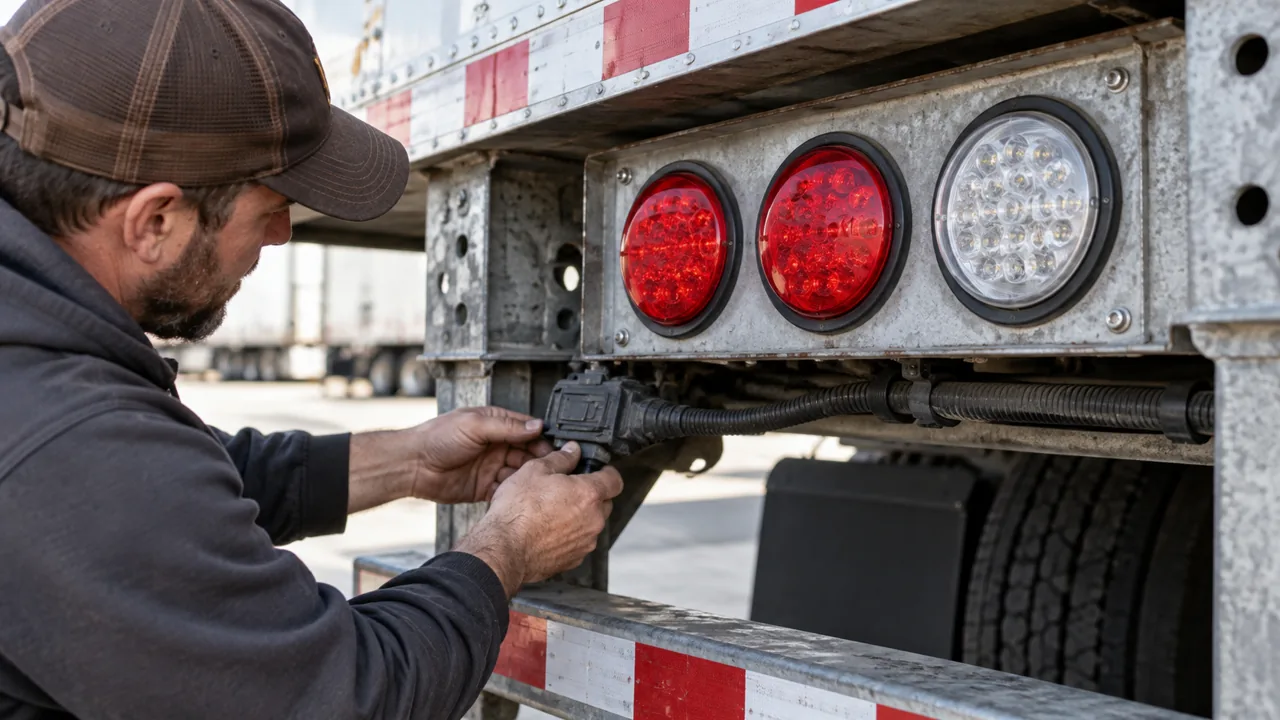
Start with the tractor or trailer identifier and the location of the affected lamp. Use the fleet's normal position labels so the workshop can find it. A report saying rear light is unclear on a combination with several lighting functions. Describe the visible location and the function being checked through the trained inspection procedure.
Keep the trailer reference when the assignment changes. If the load moves to another trailer, the original report still belongs to the equipment observed. Record the swap in the trip system without allowing it to overwrite the maintenance identity. A driver arriving later should be able to tell which unit needs assessment.
Record the difference between checks
An intermittent issue is a sequence, so write down the separate observations. State when the lamp failed to operate as expected and when it appeared to operate normally. Include the relevant conditions you directly observed. Keep the report factual rather than adding a cause that has not been established.
For example, a driver may see a lamp fail during a parked check after a trailer change and operate during a later check. That sequence is useful even when the driver cannot explain it. The workshop can decide which connections, components or tests require attention. A successful later check should not erase the earlier concern from the record.
Keep inspection within the trained procedure
Follow the carrier's instructions for checking lighting and reporting defects. Do not improvise electrical repairs, bypass components or place yourself in an unsafe position to observe a lamp. Where another trained person assists, agree the inspection roles and communication under the fleet's procedure.
The FMCSA Motor Carrier Safety Planner provides background on commercial vehicle inspection and maintenance. The specific equipment instructions and the carrier's process determine the actions required for the actual vehicle. Reporting a concern is part of that process, not a substitute for an authorized decision about readiness.
Make photographs answer a question
A photograph can identify a lamp's location or show a visible condition if company policy permits it. It may not establish an intermittent electrical function by itself. Explain what the image is intended to show and connect it to the unit and report. Avoid leaving a service team to infer the entire problem from a close-up.
If the carrier accepts a short video or another record, use its approved method and stay within the inspection procedure. Check that the attachment reaches the correct system. Files stored only on a driver's phone are easily separated from the vehicle when shifts or equipment change.
Tell dispatch what remains pending
Dispatch needs to know the authorized vehicle status and the next maintenance action. A workshop appointment does not by itself answer whether the truck is ready for a planned departure. Keep those decisions with the responsible personnel and make the pending assessment visible on the assignment.
A useful update identifies the unit, the open report and who will provide the next answer. It avoids changing the description to make a schedule appear settled. If a replacement vehicle is assigned, confirm its identity and carry out the relevant acceptance procedure for that equipment. The first vehicle's report remains open until the maintenance process closes it.
Link the workshop response to the original observation

When the technician reports findings or completed work, connect that response to the driver's report. Keep the original description available. It may explain why the inspection was requested, and it provides a reference if the behavior appears again. A separate invoice with no link to the defect can leave operations unsure which concern was addressed.
Commercial vehicle lighting requirements are addressed in the Federal Motor Carrier Safety Regulations. Use the current applicable rules and qualified advice for compliance questions. The driver's most useful contribution is a clear observation, the correct equipment identity and a report that reaches the responsible team.
Improve the next report
After the issue is resolved, ask which detail helped the workshop most. It may have been the lamp position, the timing after a trailer change or an attachment that showed a connector's visible condition. Add that useful field to the fleet's reporting habit without turning every note into a lengthy form.
A brief report can still be thorough when each sentence carries a distinct fact. The unit identifies the vehicle, the position identifies the component, the sequence describes the behavior and the next action identifies responsibility. Together they make an intermittent concern easier to investigate and keep the result connected to the truck that actually needs attention.
## Preserve the report through an equipment change
A trailer exchange may happen before the workshop visit. Make the report accessible to the team that will receive the affected unit, even if the reporting driver leaves on another assignment. The original identifier and current location help maintenance arrange the next step. If another driver observes similar behavior, connect that report to the first through the fleet's process while retaining both observations. A repeated concern on the same equipment describes a different situation from two unrelated concerns on different trailers. Accurate identifiers let the service team see which history it is actually reviewing.
